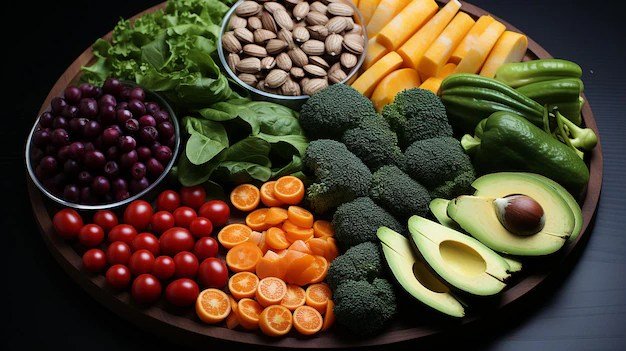
In a world buzzing with wellness trends, miracle diets, and conflicting advice, understanding your personal Dietary & Lifestyle Options can feel less like a journey to health and more like navigating a labyrinth. But what if we told you that the path to vibrant health and sustained well-being isn't about extreme restriction or chasing the latest fad, but rather about making smart, foundational choices that truly nourish your body and mind?
This guide cuts through the noise. Drawing on insights from leading health authorities like the Harvard T.H. Chan School of Public Health and the American Heart Association, we'll equip you with actionable strategies to build a lifestyle that supports your health goals without sacrificing enjoyment. It’s about empowerment, not deprivation – because truly healthy living is a marathon, not a sprint.
At a Glance: Your Pillars for Health
- Plate Power: Focus on filling half your plate with diverse vegetables and fruits, a quarter with whole grains, and a quarter with healthy proteins.
- Smart Sips: Prioritize water, coffee, or tea; limit sugary drinks, excessive dairy, and juice.
- Healthy Fats are Friends: Embrace plant-based oils like olive and canola, using them in moderation.
- Move Your Body: Regular physical activity is a non-negotiable for weight management and overall vitality.
- Cook at Home: Gain control over ingredients, portions, and preparation methods.
- Read Labels: Become a savvy shopper by checking for sodium, added sugars, and unhealthy fats.
- Limit the Unhealthy: Cut back on processed meats, refined grains, excessive sodium, and added sugars.
- Small Changes, Big Impact: Sustainable health comes from consistent, manageable adjustments, not drastic overhauls.
Why Your Everyday Choices Really Matter
Every bite you take, every step you walk, and every hour you sleep contributes to the complex tapestry of your health. These aren't just minor details; they are the fundamental building blocks of how you feel, how well you age, and your resilience against chronic disease.
Consider the compelling evidence: research based on Harvard Chan School's Alternate Healthy Eating Index (AHEI) demonstrates that consistently adhering to a balanced diet significantly lowers the risk of heart disease and premature death. For men, high AHEI scores translated to a 20% lower risk of major chronic disease and nearly 40% lower cardiovascular disease risk, with similar impressive results for women. These aren't abstract statistics; they represent more years of healthy, active life for you.
Beyond personal health, the way we eat also impacts the planet. Our food choices carry significant environmental footprints, from greenhouse gas emissions to resource demands. Opting for more plant-forward meals, for instance, can be a conscious choice that benefits both your body and the environment.
The Blueprint: Crafting Your Plate with Precision
Forget rigid calorie counting or complicated macros for a moment. Instead, visualize your plate. Both the Harvard Healthy Eating Plate and the American Heart Association (AHA) offer remarkably similar, straightforward guidance: aim for balance and quality in your main meals.
Veg Power: Half Your Plate, Full of Life
This is arguably the most crucial component. Picture your plate, and imagine half of it overflowing with a vibrant array of vegetables and fruits.
- Why it works: Vegetables and fruits are nutrient powerhouses, packed with vitamins, minerals, fiber, and antioxidants, often with minimal calories. They help you feel full, support digestion, and protect your cells from damage. The AHA specifically notes they can replace less healthy sides, instantly boosting your meal's nutritional value.
- Go for variety and color: Don't stick to just one or two favorites. Embrace the rainbow! Think dark leafy greens, bright berries, crunchy bell peppers, and succulent broccoli. Each color often signifies a different set of beneficial compounds.
- A word on potatoes: While technically a vegetable, Harvard's guidelines specifically exclude potatoes from this "vegetable" category due to their rapid impact on blood sugar, akin to refined grains. Treat them more like a grain, and opt for smaller portions of healthier carb sources instead.
Whole Grains, Not Refined Riddles
Dedicate approximately one-quarter of your plate to whole grains.
- Why it works: Whole and intact grains, like whole wheat, barley, quinoa, oats, and brown rice, retain their bran and germ, which are rich in fiber, vitamins, and minerals. This fiber content helps lower cholesterol, improves heart health, and leads to a milder, more sustained effect on blood sugar and insulin compared to their refined counterparts (think white bread or white rice).
- Make the swap: It's an easy switch. Choose whole wheat pasta over white, brown rice over white, and embrace ancient grains like quinoa or farro in your salads and side dishes. Even opting for unsalted brown rice or corn tortillas aligns with the AHA's recommendations.
Protein Powerhouses: Smart Choices for Strength
The final one-quarter of your plate should be dedicated to healthy protein sources.
- Why it works: Protein is essential for building and repairing tissues, making enzymes and hormones, and providing sustained energy. The key is choosing quality protein.
- Top picks:
- Fish and poultry: Fish, particularly fatty varieties like salmon, mackerel, and albacore tuna, are rich in omega-3 fatty acids, which are crucial for heart and brain health. Aim for fish twice a week, prepared baked or grilled, not fried or breaded. Lean poultry (chicken, turkey) is an excellent source of protein; just remember to trim visible fat and remove the skin.
- Beans, legumes, and nuts: These plant-based powerhouses are not only great sources of protein and fiber but also contribute to lowering the risk of heart disease and obesity. Think black beans, lentils, chickpeas, tofu, or unsweetened soy milk. Unsalted nuts (almonds, walnuts) provide healthy fats, protein, and essential nutrients for both heart and brain function.
- Limit and avoid: Harvard and the AHA both advise limiting red meat and avoiding processed meats like bacon, sausage, and deli meats, which are often high in sodium, unhealthy fats, and preservatives. When you do choose red meat, opt for leaner cuts and consume them less frequently.
Healthy Fats: Your Body's Best Friends (in Moderation)
The notion that all fat is bad is outdated. Healthy fats are vital for nutrient absorption, hormone production, and overall cellular function.
- Embrace plant oils: Use healthy plant oils like olive, canola, soy, corn, sunflower, and peanut oils in moderation for cooking and dressings. These help lower "bad" LDL cholesterol when used in place of less healthy fats.
- What to avoid: Steer clear of partially hydrogenated oils, which contain unhealthy trans fats. Also, limit tropical oils like coconut and palm oil, which are high in saturated fat.
- The "low-fat" trap: As Harvard wisely points out, "low-fat" does not automatically mean "healthy." Often, when fat is removed from a product, sugar or refined carbohydrates are added back in to improve taste, negating any potential health benefits. Focus on type of fat, not just quantity.
Sip Smart: Hydration for Health
What you drink is just as important as what you eat.
- Your top choice: Water. Make water your primary beverage throughout the day.
- Other good options: Unsweetened coffee or tea. These can offer antioxidant benefits without the added sugar.
- Limit:
- Milk and dairy products: Limit these to 1-2 servings per day. While they offer calcium and vitamin D, excessive consumption isn't necessarily beneficial, and many people thrive on less. Low-fat dairy or fortified plant alternatives (like almond milk) can provide protein, calcium, and vitamin D for heart and bone health, as recommended by the AHA.
- Juice: Even 100% fruit juice can be high in concentrated sugars without the beneficial fiber of whole fruit. Limit juice to a small glass daily.
- Skip entirely: Sugary drinks are a major source of empty calories and contribute to weight gain and increased risk of type 2 diabetes and heart disease. This includes sodas, sports drinks, and sweetened teas.
Beyond the Kitchen: Lifestyle Pillars for Optimal Health
Your dietary choices are a huge piece of the puzzle, but a holistic approach to wellness extends far beyond your plate.
Move Your Body: The Unsung Hero
Physical activity isn't just about burning calories; it's fundamental to nearly every aspect of your health.
- Why it matters: Regular movement helps with weight control, improves cardiovascular health, strengthens bones and muscles, boosts mood, reduces stress, and enhances sleep quality. Harvard specifically highlights its crucial role in weight management.
- Make it a habit: Find activities you genuinely enjoy. Whether it's walking, cycling, dancing, swimming, or strength training, consistency is key. Even short bursts of activity throughout the day add up.
Mastering the Menu: Home Cooking & Smart Dining
The more you cook at home, the more control you have over your ingredients, portion sizes, and preparation methods. This is where real change happens.
- Take charge of ingredients: You can select fresh, whole foods, use healthy cooking oils, and season with salt-free spices and herbs like cilantro or garlic, which the AHA notes can improve taste and support heart health by serving as salt substitutes.
- Meal prepping: Dedicate a block of time once or twice a week to chop vegetables, cook grains, and prepare proteins. This makes healthy eating effortless during busy weekdays.
- Dining out wisely: While cooking at home gives you the most control, dining out is a part of life. When looking for the best healthy food in Long Beach, for example, seek out restaurants that emphasize fresh ingredients, offer baked or grilled options, and allow for substitutions. Don't hesitate to ask for sauces on the side, extra vegetables, or smaller portions. If you're exploring healthy vegan options in Long Beach, you're already making a conscious choice towards plant-based eating, which often aligns with general health recommendations. Similarly, those with specific needs might seek out gluten-free restaurants in Long Beach to ensure their dietary restrictions are met without compromising health goals.
Label Literacy: Decoding Your Food Choices
The grocery store can be a minefield of marketing claims. Becoming proficient at reading Nutrition Facts labels is a superpower.
- What to look for (and limit):
- Sodium: High sodium intake contributes to high blood pressure. Aim for products low in sodium.
- Added Sugars: Distinguish between natural sugars (in fruit) and added sugars. These are often hidden in surprising places. The AHA strongly advises limiting sugar-sweetened drinks and foods with added sugars.
- Saturated Fat: While healthy fats are good, saturated fat should be limited. Check the percentage of daily value.
- Trans Fat: Look for "0g trans fat" and avoid products with "partially hydrogenated oil" in the ingredient list.
- Focus on the good stuff: Pay attention to fiber content, and choose products rich in vitamins and minerals.
Portion Perfection: Eating Just Enough
Understanding appropriate portion sizes is critical, especially since restaurant portions are often significantly larger than what's needed.
- Visual cues: Use your hand as a guide (e.g., a deck of cards for protein, a cupped hand for grains).
- Listen to your body: Eat slowly and mindfully, paying attention to hunger and fullness cues. Stop when you're satisfied, not stuffed.
- Smaller plates: Using smaller plates can visually make a serving look more substantial, aiding in portion control.
The "No-Go" Zone: What to Limit or Avoid
While focusing on what to include is empowering, it's equally important to know what to limit for optimal health. The American Heart Association provides a clear list of items to cut back on:
- Sugar-sweetened beverages: These are liquid calories with little nutritional value.
- Sodium and salty foods: Watch out for processed snacks, canned soups, and restaurant meals.
- Saturated fats: Found in fatty meats, full-fat dairy, and tropical oils like coconut and palm oil.
- Fatty or processed red meats: Opt for leaner cuts and consume less frequently; avoid processed varieties.
- Refined carbohydrates: This includes foods with added sugars and processed grains (white bread, white rice, many baked goods).
- Full-fat dairy products: Choose low-fat or fat-free options, or fortified plant alternatives.
Common Questions & Clearing the Air
Let's debunk some popular myths and clarify common confusions surrounding dietary choices.
"Are all fats bad for me?"
Absolutely not! This is one of the most persistent myths. As we've discussed, healthy fats from plant oils, nuts, seeds, and fish are essential for brain health, hormone function, and absorbing fat-soluble vitamins. The problem isn't fat itself, but the type of fat and the quantity of unhealthy fats. Focus on replacing saturated and trans fats with unsaturated fats.
"Do I need to go completely vegetarian or vegan to be healthy?"
While a plant-forward diet is highly recommended for its health benefits and environmental impact, you don't necessarily have to become fully vegetarian or vegan to eat healthily. The Harvard Healthy Eating Plate explicitly includes fish and poultry. The key is prioritizing plant-based foods, limiting red meat, and avoiding processed meats, regardless of your overall dietary pattern. For those interested, exploring options like healthy vegan options in Long Beach can be a great way to incorporate more plant-based meals.
"What about gluten-free diets?"
Unless you have celiac disease or a diagnosed gluten sensitivity, there's generally no health advantage to a gluten-free diet. Many gluten-free processed foods can be high in refined starches, sugars, and unhealthy fats. For those who do need to avoid gluten, finding gluten-free restaurants in Long Beach ensures safer dining. For others, focusing on naturally gluten-free whole grains like quinoa, brown rice, and oats is a healthier approach than relying on processed gluten-free alternatives.
"Is fruit sugar bad for me?"
Whole fruits contain natural sugars, but they also come bundled with fiber, vitamins, and antioxidants. The fiber helps slow down sugar absorption, preventing rapid spikes in blood sugar. The problem lies with added sugars and concentrated fruit juices, which strip away the fiber and deliver a high dose of sugar without the accompanying benefits. Enjoy whole fruits daily!
Building Lasting Habits: Your Path to Sustainable Health
The goal isn't perfection; it's progress. Adopting small, simple changes to your eating patterns and lifestyle can dramatically improve your health and reduce your risk of chronic diseases.
- Start small: Don't try to overhaul everything at once. Pick one or two areas from this guide to focus on first. Maybe it's adding an extra serving of vegetables to dinner, swapping sugary drinks for water, or taking a 15-minute walk daily.
- Be consistent: Small, consistent changes build into powerful habits. It's better to make a tiny change you can stick with every day than a big one you abandon after a week.
- Plan ahead: Healthy choices are easier when you've planned for them. Meal prep, grocery lists, and scheduling your workouts make a huge difference.
- Don't demonize foods: No single food is inherently "good" or "bad." It's your overall dietary pattern that matters most. Allow for occasional treats in moderation without guilt.
- Seek support: Share your goals with friends or family, or consider working with a registered dietitian if you need personalized guidance.
- Listen to your body: Pay attention to how different foods and activities make you feel. This biofeedback is your most valuable guide.
A Broader Lens: Food Choices and Our Planet
As we make conscious choices for our personal health, it's worth considering the wider impact of our food system. Food production is a significant contributor to greenhouse gas emissions and places substantial demands on natural resources. While your primary focus is likely personal well-being, knowing that a diet rich in plants, whole grains, and sustainable protein sources not only benefits you but also supports a healthier planet can be an added motivator. It's a testament to how deeply intertwined our individual health is with the health of the world around us.
Your Next Step: Empowering Your Health Journey
Embracing smarter Dietary & Lifestyle Options isn't about rigid rules; it's about developing an informed intuition about what truly nourishes your body and mind. You now have a solid foundation, backed by leading health experts, to make choices that will serve you for years to come.
Start today by selecting one actionable tip from this guide. Perhaps you'll prioritize filling half your plate with colorful vegetables at your next meal, choose water over a sugary beverage, or plan a short walk. Remember, every smart choice is a step towards a healthier, more vibrant you. Your body is an incredible machine – fuel it wisely, move it regularly, and watch it thrive.